Hosted and produced by Fire Middle East and Security Middle East magazines, the dedicated studio provided a powerful platform for expert commentary, trend analysis and forward-looking debate that extended far beyond the show floor.
Positioned as the “heartbeat” of the event, the Intersec Pulse Studio was designed to capture and broadcast the energy, ideas and expertise circulating across the exhibition. Across three days, it hosted a rapid-fire series of 10-minute interviews with senior figures from the fire and security sectors, each conversation curated to tackle a specific critical issue – from geopolitical risk and AI to identity, standards and the future of connected security. These interviews were conducted live at Intersec Dubai then amplified across Intersec and the magazines’ digital channels, ensuring the insights reached a global audience long after visitors left Dubai World Trade Centre.
The initiative was conceived as more than a content “add-on”. By placing an editorially led studio in the middle of the event, Intersec Global created a real-time think tank that both reflected and shaped the agenda. For exhibitors, partners and visitors, Intersec Pulse Studios became a focal point – a place where the industry’s most pressing talking points were distilled into sharp, accessible takeaways that could inform strategy and decision-making throughout 2026 and beyond.
A partnership powered by editorial authority
To deliver this, Intersec partnered with Security Middle East and Fire Middle East, recognised editorial leaders for the region’s security and fire industries. Under this collaboration, the magazines managed and conducted all Pulse Studio interviews, drawing on their extensive network of influencers, practitioners and innovators. This ensured each session carried genuine editorial weight rather than being treated as a simple marketing broadcast.
At the centre of the studio was Ryan Bickerton, representing the magazines in his role as host and moderator. Bickerton led tightly structured 10-minute conversations that cut quickly to the issues that matter most to end users: operational resilience, regulatory readiness, technology adoption and the human skills needed to keep pace with change. His questioning gave guests space to share practical experiences while also pushing them to offer clear, future-focused views on where the sector is heading.
The content strategy was clear from the outset: each interview had to deliver exclusive tangible insights that viewers could take back to their organisations. That discipline ensured the Intersec Pulse Studios became a reliable source of concise, high-value intelligence rather than a series of informal chats.
Security Middle East conversations: from geopolitics to AI
For Security Middle East, the Pulse Studio agenda leaned heavily into the intersection of geopolitics, digital transformation and regional risk. One of the headline conversations featured John Cowling, District Security Manager for Caterpillar in the Middle East and CIS, and chair of the ASIS Dubai Chapter.
In conversation with John Cowling
Cowling began by anchoring today’s security landscape firmly in geopolitics. He stressed that events involving the US, Europe, Russia, Ukraine, China and parts of Africa all ripple into the Gulf, influencing everything from travel security to procurement and supply chains. For security leaders, he explained, the real challenge is not only managing these “side effects” day-to-day, but also understanding how they will shape operations over the longer term.
He then turns to technology, highlighting emerging threats and opportunities around drones and artificial intelligence. AI, he noted, is surrounded by uncertainty and conflicting expert views – particularly on its impact on jobs, its potential to transform industries, and the risks it introduces. Current concerns already centre on misinformation and image manipulation online, but Cowling described this as just “the tip of the iceberg”, especially when viewed alongside the way drones have transformed the nature of conflict in Ukraine and Russia. For the security sector, he frames this as a wake-up call: if today’s capabilities look like this, what new risks will we be facing in just two or three years’ time?
Asked how organisations can respond to these “unknown risks”, Cowling emphasises the basics done well: continuously reading, staying informed and filtering vast amounts of information. He warns that this is becoming a “lost art”, which makes trusted professional networks more important than ever. Here he draws on his role with ASIS, explaining how peer communities help security professionals sense-check emerging issues, share concerns and develop solutions that work across multiple organisations rather than in isolation.
In conversation with Gustavo Gassmann
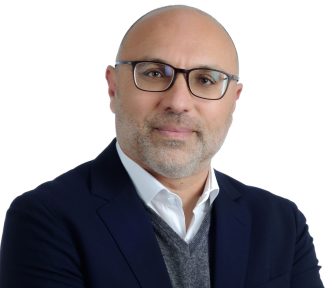
In another Pulse Studio session for Security Middle East, Gustavo Gassmann Vice President and Head of Emerging Markets at HID offered a concise yet forward-looking snapshot of how HID sees the future of access control in the Middle East – and why Intersec Global is so central to that journey.
The conversation covered technology trends, with a strong emphasis on biometrics – and facial recognition in particular. Gassmann explained that while biometrics have been a driver for many years, facial recognition has accelerated rapidly since the pandemic and is now “extremely valued” by customers. He frames HID’s strategy around bringing security and convenience closer together, especially in emerging markets, so that the individual “carrying their face” can enjoy frictionless access without compromising on protection.
Digital transformation and mobile access are another major theme. Gassmann described mobile as a “special subject” for HID, with the company having driven mobile technology for around a decade and now pushing capabilities further with wallet-based credentials. By enabling secure access via the same wallets people already use on their phones and watches for everyday payments, HID is extending the mobile ecosystem to make access “extremely secure and extremely convenient” in one step – a strong fit with the Middle East’s appetite for digital-first experiences.
Partnerships underpin all of this. Gassmann is clear that HID operates entirely through partners rather than selling directly to end users. He stressed the importance of both long-term local partners and global players with a strong presence in the Middle East, and noted that HID aims to be “as local as possible” in how it operates. This local focus is reflected in growing headcount in the region, which he sees as essential to supporting partners and sustaining the company’s success.
Building a forward-looking archive of insight
One of the defining strengths of the Intersec Pulse Studio is that its impact does not end when the show closes. Every interview is recorded and published across Intersec’s digital platforms as well as the Security Middle East and Fire Middle East websites, newsletters and social channels, building a growing archive of expert insight that can be revisited on demand throughout the year. This multiplies the value of attendance for both speakers and the wider community, turning a three-day event into an ongoing knowledge resource.
Looking ahead, the Pulse Studio will continue to release more from its roster of voices. Upcoming Security Middle East interviews with Geoff Warr of CTF, Leo Levit of ONVIF and Carsten Hoersch of ELATEC will broaden the conversation further. Together, these sessions will round out a comprehensive, multi-perspective view of where security is heading and how the Middle East can stay ahead of the curve.
As Intersec Global evolves into a truly year-round ecosystem, Intersec Pulse Studio – powered by Fire Middle East and Security Middle East – is set to remain its editorial heartbeat: a place where the industry comes not just to showcase technology, but to define the conversation around safety, security and resilience for the years to come.
This feature appeared in the March issue of Security Middle East magazine.