
Organisations across construction, manufacturing, logistics and industrial sectors operate under strict safety regulations, and risk management strategies often depend on training programmes that help employees recognise hazards, respond to emergencies and follow safe work practices in their daily tasks. Effective safety management requires more than written procedures because workers must understand how risks appear in real working environments and how compliance regulations influence daily operations.
Many safety incidents occur not because rules are missing, but because employees do not fully understand hazards, procedures or regulatory requirements that apply to their work environment. Risk management therefore depends heavily on training programmes that focus on hazard recognition, safe work practices, emergency procedures and regulatory compliance responsibilities. Safety training ensures that employees understand their role in maintaining a safe workplace and helps organisations reduce incidents, injuries and regulatory violations through improved awareness and preparation.
An important part of workplace safety programs is completing an OSHA compliance course, which provides workers and supervisors with a structured understanding of workplace hazards, regulatory requirements, inspection procedures and safe work practices. This type of training helps organisations ensure that employees understand OSHA standards, worker rights, employer responsibilities and hazard prevention strategies that are required to maintain safe and compliant workplaces in regulated industries.
Workplace risk management and regulatory responsibility
Workplace risk management involves both employers and employees, as safety responsibilities are shared across the organisation and require cooperation between management, supervisors and workers. Employers are responsible for providing safe working conditions, proper equipment, safety procedures and training programmes, while employees are responsible for following safety procedures, using protective equipment and reporting hazards or unsafe conditions. Compliance regulations define these responsibilities and ensure that organisations maintain structured safety programmes that reduce workplace risks.
Regulatory compliance also involves documentation, inspections and audits, which means organisations must maintain training records, safety procedures, hazard assessments and incident reports. Safety managers and compliance officers often conduct regular safety audits and workplace inspections to identify risks and ensure that safety procedures are being followed correctly. Training programmes play an important role in this process because employees who understand safety regulations are more likely to follow procedures and contribute to a safer working environment.
Hazard identification and incident prevention
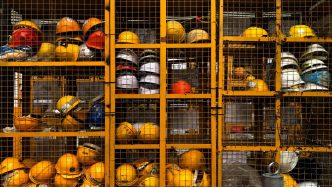
Hazard identification is one of the most important parts of workplace risk management because many incidents can be prevented if hazards are recognised early and proper control measures are implemented. Common workplace hazards include falls, electrical hazards, moving machinery, falling objects, confined spaces and unsafe equipment usage. Workers must be trained to recognise these hazards and understand how to work safely around them.
Risk prevention also involves using personal protective equipment, following safe work procedures and conducting regular safety inspections to identify potential hazards before incidents occur. Supervisors and safety managers often perform risk assessments to evaluate workplace hazards and determine appropriate control measures. Training programmes help employees understand hazard identification, risk control measures and emergency procedures so they can respond appropriately when risks are identified.
The role of compliance training in workplace safety
Compliance training is an essential part of workplace safety programmes because it ensures that employees understand safety regulations, workplace hazards and emergency procedures before incidents occur. Training programmes often include hazard recognition, personal protective equipment usage, emergency procedures and regulatory compliance requirements that apply to specific industries and job roles. Workers who receive proper training are more likely to follow safety procedures and recognise unsafe conditions before incidents occur.
Safety compliance training also helps organisations prepare for regulatory inspections and compliance audits because trained employees understand safety procedures, documentation requirements and workplace safety policies. Inspectors often evaluate whether employees understand safety procedures and hazard communication requirements, which means training programmes are an important part of compliance preparation.
Organisations often include hazard communication training as part of their safety programmes, especially in workplaces where chemicals and hazardous materials are present. This training teaches employees how to read safety data sheets, understand chemical labels, recognise chemical hazards and follow procedures for safe handling and storage of hazardous substances. Chemical safety training is essential in many industrial environments where hazardous materials are used in daily operations.
Chemical safety and hazard communication programmes
Chemical safety programmes are designed to ensure that employees understand the hazards associated with chemicals used in the workplace and know how to handle them safely. Hazard communication programmes include labeling systems, safety data sheets, training programmes and procedures for handling spills, leaks or chemical exposure incidents. Workers must be able to identify hazardous substances, understand warning labels and follow proper handling procedures to reduce risks associated with chemical exposure.
Hazard communication programs also require employers to maintain chemical inventories, provide safety data sheets and ensure that employees receive proper training before working with hazardous substances. Safety managers often implement chemical safety procedures as part of overall workplace risk management programmes to reduce health risks and prevent chemical related incidents.
Inspections audits and compliance culture
Workplace inspections and compliance audits are important parts of safety management because they help organisations identify hazards, evaluate safety procedures and ensure that regulatory requirements are being followed. Inspectors often review safety documentation, training records, hazard communication programmes and workplace conditions during inspections. Organisations that maintain strong safety training programmes and documentation are generally better prepared for inspections and audits.
Compliance culture refers to the attitude and behaviour of employees toward safety regulations and workplace procedures. Organisations with strong safety cultures often have fewer incidents because employees understand safety procedures, report hazards and follow safe work practices consistently. Training programmes help build this culture by ensuring that employees understand safety responsibilities and regulatory requirements.
Building long term safety culture through training
Long term safety improvement depends on continuous training, refresher courses and regular safety meetings that reinforce safety procedures and hazard awareness. Training should not be a one time event but part of an ongoing safety program that includes refresher training, emergency drills and safety awareness programmes. Continuous training helps employees stay familiar with safety procedures and adapt to new equipment, new processes and updated regulations.
Training providers such as FMTC offer safety and compliance training programmes that support organisations in maintaining workplace safety standards and regulatory compliance through structured training programmes and certification courses. Investing in safety training helps organisations reduce incidents, improve compliance and create safer working environments where employees understand risks and know how to work safely and responsibly.