- Kuwait’s Ministry of Interior said it has completed the rollout of a new TETRA wireless communications system
- The ministry also announced the introduction of additional joint traffic services
- This comes as authorities are again dealing with fingerprint-related fraud
Kuwait’s Ministry of Interior said on Tuesday it has completed the rollout of a new TETRA wireless communications system and an electronic fingerprint data exchange programme for deportees. The ministry also announced the introduction of additional joint traffic services in cooperation with the United Arab Emirates.
In a statement, the ministry said Brigadier Abdullah Al-Ateeqi, head of the Traffic and Operations Affairs Sector, met Kuwaiti and Emirati technical teams taking part in the eighth follow-up meeting on joint connectivity projects between the two interior ministries.
As part of the visit, the delegation toured the Ministry of Interior’s Operations Room in Subhan. Officials were briefed on the latest technologies used to support security operations and traffic management.
The two-day meeting was chaired on the Kuwaiti side by Brigadier General Khaled Al-Adwani, head of the technical team, and on the Emirati side by Brigadier General Abdulaziz Al-Ahmad.
Talks focused on reviewing earlier recommendations and pushing forward shared projects. These include a bilateral system linking supplementary traffic services, the electronic exchange of data and fingerprints for deportees, and the TETRA wireless communications network.
The ministry said the completed systems are intended to improve coordination, speed up information sharing and strengthen operational efficiency between the two countries.
It added that Kuwait remains committed to deepening security cooperation within the Gulf region and to developing integrated security and traffic systems that improve services and support the common strategic goals of Gulf Cooperation Council states.
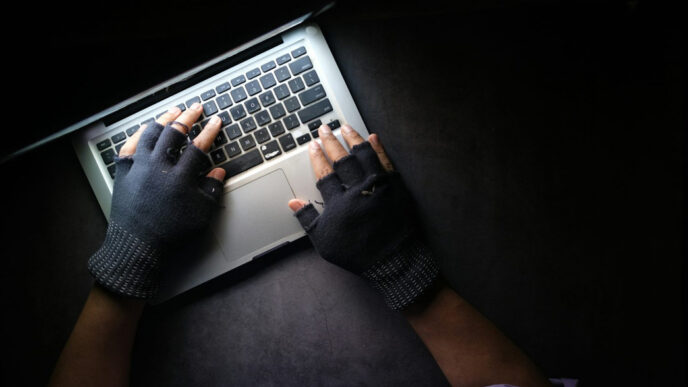
At the same time, authorities are again dealing with fingerprint-related fraud, despite recent investments in biometric systems. A new case uncovered in December in the Al-Ahmadi Governorate revealed that employees had allegedly used artificial silicone fingerprints to manipulate attendance scanners.
Investigators said the forged prints allowed workers to clock in and out without being present, enabling them to claim salaries and benefits they were not entitled to.
The case, exposed by the Anti-Forgery and Counterfeiting Department, has reinforced concerns among officials that fingerprint fraud remains a persistent risk, even as Kuwait rolls out more advanced and integrated biometric technologies.